


Nothing can beat a scorching hot day other than air conditioners! But if the AC stops blowing cold air, it is uncomfortable and can cause health risks for everyone at home. Unless you can quickly determine the source of the problem and fix it, you should act immediately. Do not wait until the temperature becomes unbearable before seeking relief from the heat. Don’t hesitate to always contact a professional for Air Conditioning Services assistance – like Leimert Park Heating and Air!
There can be several potential causes for your HVAC system to stop releasing cold air. Some are straightforward and can be resolved immediately, while others require the assistance of an expert. Here are a few things to consider if your air conditioner is not blowing cold air and how to fix the problem.
- Clogged Air Filters
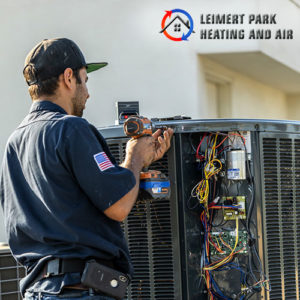
The filter helps capture airborne particles traveling through the ductwork before they can cause significant damage to the air conditioner. If you don’t replace the air filter frequently, it can get clogged and restrict airflow. If so, there is a chance that the evaporator coil will freeze, rendering it incapable of cooling the air. Aside from regular cleaning, we recommend changing your filters every three months or more often for homes with pets.
- Dirty Condenser
A condenser is located in the air conditioner’s outdoor unit. When dirt and debris get into the condenser, it impacts the cooling process, and your air conditioner must work much harder to pull in and cool the air. Using soap and water, you may clean your outdoor condenser. Wipe away the dirt with care, avoiding breaking or bending anything. Invest in a weatherproof cover for your air conditioner when it is not in use to prevent dirt and debris from accumulating.
- Thermostat Setting
Frequently, the thermostat is the cause of a malfunctioning air conditioning system. The air conditioner will not activate until the room temperature exceeds the control setting. First, confirm that the thermostat setting has not been modified. Ensure that it is set to automatic or cool. Occasionally, a thermostat will be set to heat rather than cool, causing the issue. The thermostat may be at fault if it is properly set and the air conditioner still does not turn on. If it uses batteries, check and, if necessary, replace them. If that does not resolve the issue, it is necessary to notify a professional, like us here at Leimert Park Heating and Air immediately!
- Leaking Refrigerant
If your central air conditioner is not producing cold air, there may be a problem with the refrigerant. The unit could be low on refrigerant and require restoration, which causes a leak that prevents the air conditioner from functioning properly and can lead to other problems within the home. When it isn’t cool enough, for instance, humidity levels can rise in your home, making it feel hotter than it is. If you suspect a refrigerant leak, you should immediately contact a professional HVAC technician.
- Dirty Evaporator
The evaporator is a vital part of the air conditioner. It ensures that the appliance is functioning properly and also cools the home. The air conditioner cannot keep you comfortable during the sweltering summer months without a clean evaporator. Consequently, if you’re asking, “why is the air conditioner not cold?” It’s always a good idea to check the evaporator at regular intervals. To maintain its functionality, make a habit of washing it frequently. The cleaning can be performed every six months to once a year, depending on the circumstances.
Find Out What Happens If Your AC Drain Is Clogged And How To Unclog It
When your air conditioner is on, it removes moisture from the air inside, thereby reducing humidity. As this moisture is collected, it drips into the condensate pan, where the water should then pass through the drain line or condensate drain and exit the air conditioning system. Suppose a clog occurs, water will likely back up and cause damage to your air conditioner and property, so it is vital to book the best Air Conditioning Services, like what we provide here at Leimert Park Heating and Air!
You may ask how a clogged AC drain line occurs. Especially when all it does all day is pump cold air? When liquid falls from the evaporator coil of an air conditioner, it can carry any filth or debris it encounters down the drain. If enough dirt and debris flow through, the air conditioner drain line might become clogged over time. Due to the persistent wetness in the drain line, mildew and algae might begin to grow. If left to accumulate, it can cover the interior of the pipes, preventing water from draining properly.
If you wish to unclog your AC drain line, you may use basic tools if the clog is noticed early on. However, refrain from using harmful chemicals to unclog the block to prevent additional issues to the surface. Here are eight steps you can do if your AC drain is clogged: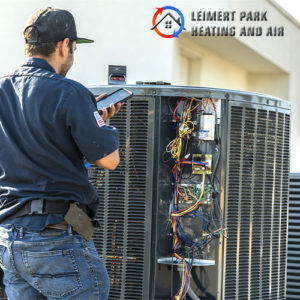
- Gather essential items, including a bucket or pan to catch the line’s water, a brush or pipe cleaner to unclog the line gently, and a cleaning solution such as diluted bleach or vinegar.
- Switch off the air conditioning, as operating with water and electricity might be hazardous. Ensure to turn off the unit’s electricity supply at the circuit breaker before starting.
- Remove the T-shaped drain line’s cap cover so you can look better at the clog and examine it.
- Once the cover or cap is removed, check for any visible causes, such as hair or dirt. If you see some, carefully remove it by pulling it out of the pipe.
- Use your brush or pipe cleaner to loosen and clear debris inside the line.
- Pour the cleaning solution into the pipe and let it sit for 30 minutes or longer, depending on the severity of the clog, to dissolve any obstructions further.
- Rinse and drain the solution in the pipe using fresh water.
- Observe the performance of your system; if the AC drain pipe remains clogged, you may need to contact an HVAC professional for assistance.
Inspect your air conditioner’s drain line regularly to avoid greater issues surfacing in the future. A blocked or clogged drain can trap the water with nowhere to go but back up the line, potentially leading to the pan’s overflow and causing moisture damage.
Make it a habit to inspect the AC condensate line whenever the AC filters are replaced. Regular monitoring of AC drain lines makes it much simpler to clear clogs. Consider it one of the first indications of a clogged AC drain if you notice extra water in the drain pan.
Schedule regular HVAC system inspections to effectively prevent a clogged AC drain line. Contact HVAC Alliance Expert now to book a licensed technical expert to examine your unit’s components, including the drain line.
Leimert Park Heating and Air offers better-functioning air conditioning systems. Contact us whenever you want to take advantage of our remarkable and cost-effective air conditioning services!